- Countries
Through the lens of our four-pillar sustainability strategy, we assess local community needs to deliver tailored sustainability programs. Find out more in the case studies below and through our annual Sustainability Reports.
Responsible procurement practices
Our Supplier Code of Conduct outlines the principles, guidelines and expectations for establishing and maintaining a business relationship with IHS. Among other priorities, we expect our suppliers to increase resource efficiency, decrease GHG emissions, protect biodiversity, minimize pollution, and manage and dispose of waste in a safe and responsible manner.
We continue to engage our suppliers to ensure these standards are upheld. This includes performing due diligence checks and screening environmental and social criteria when evaluating and selecting potential suppliers. We also strive to include provisions related to social and ethical standards, particularly in areas such as anti-bribery and corruption, as well as health and safety, to ensure mutual alignment on these key ethical commitments.
Upholding the highest standards
At IHS, we value the trust of our stakeholders, and we are committed to doing business in an ethical, honest and transparent way. In 2025, IHS South Africa achieved a Level 1 in its Broad-Based Black Economic Empowerment (B-BBEE) audit. The objective of B-BBEE is to advance economic transformation and enhance the economic participation of Black people in the South African economy.

Facilitating digital learning
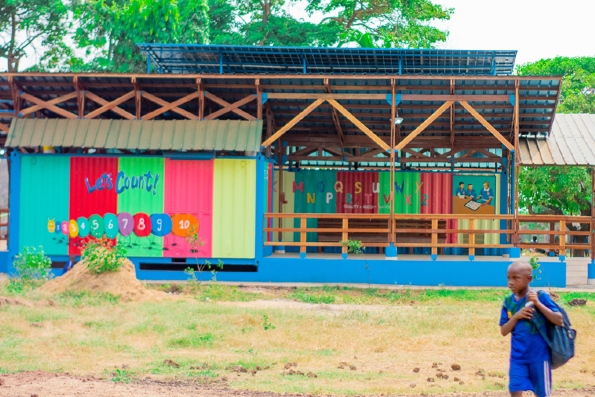
We believe that improving access to the internet and digital technology is an important tool to enhance education. In Cameroon, we are partnered with UNICEF to support their Connect My School initiative, aimed at expanding digital learning opportunities for children and young people. In 2025, this included the construction of a solar-powered e-container classroom in Cameroon’s Southwest Region. Equipped with IT materials, the classroom provides access to digital learning resources, promoting inclusive education and helping bridge the digital divide.
Tackling illiteracy
According to UNESCO, more than 250 million children globally fail to acquire basic literacy skills, largely due to the lack of books in their native languages. Working with NABU, a nonprofit organization dedicated to closing global literacy gaps by publishing culturally relevant children’s books in local languages, we have been supporting a literacy campaign to reach 100,000 children and print 1,000 books in Côte d’Ivoire. In addition, alongside Côte d’Ivoire’s Ministry of Education and NABU, we are working to further expand access to digital reading resources and promote literacy among young learners.

Supporting adoption of clean cooking
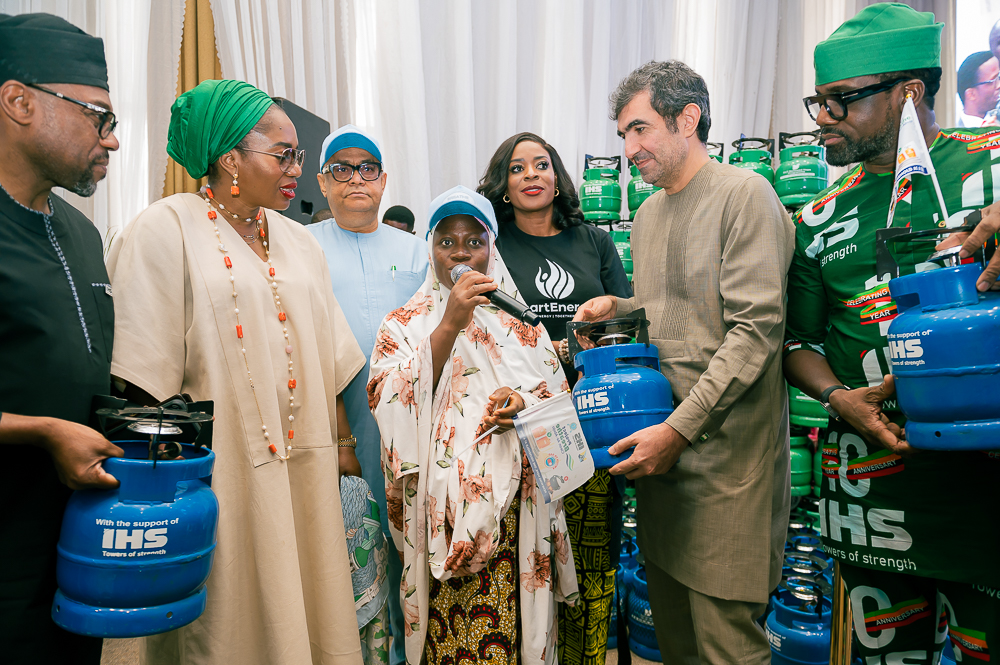
We work with communities, partners and other stakeholders to help protect our shared environment. In Nigeria, we have partnered with the Federal Capital Territory Administration to promote the adoption of clean cooking gas through the 'Project Breathe Clean Air-Abuja'. Aimed at reducing air pollution and improving public health, this initiative encourages households to transition away from firewood, charcoal and kerosene to Liquefied Petroleum Gas (LPG), enhancing respiratory health, and reducing maternal and child mortality associated with household air pollution. In 2025, we helped provide free LPG cylinders and cookers to 5,000 vulnerable households.
Protecting biodiversity
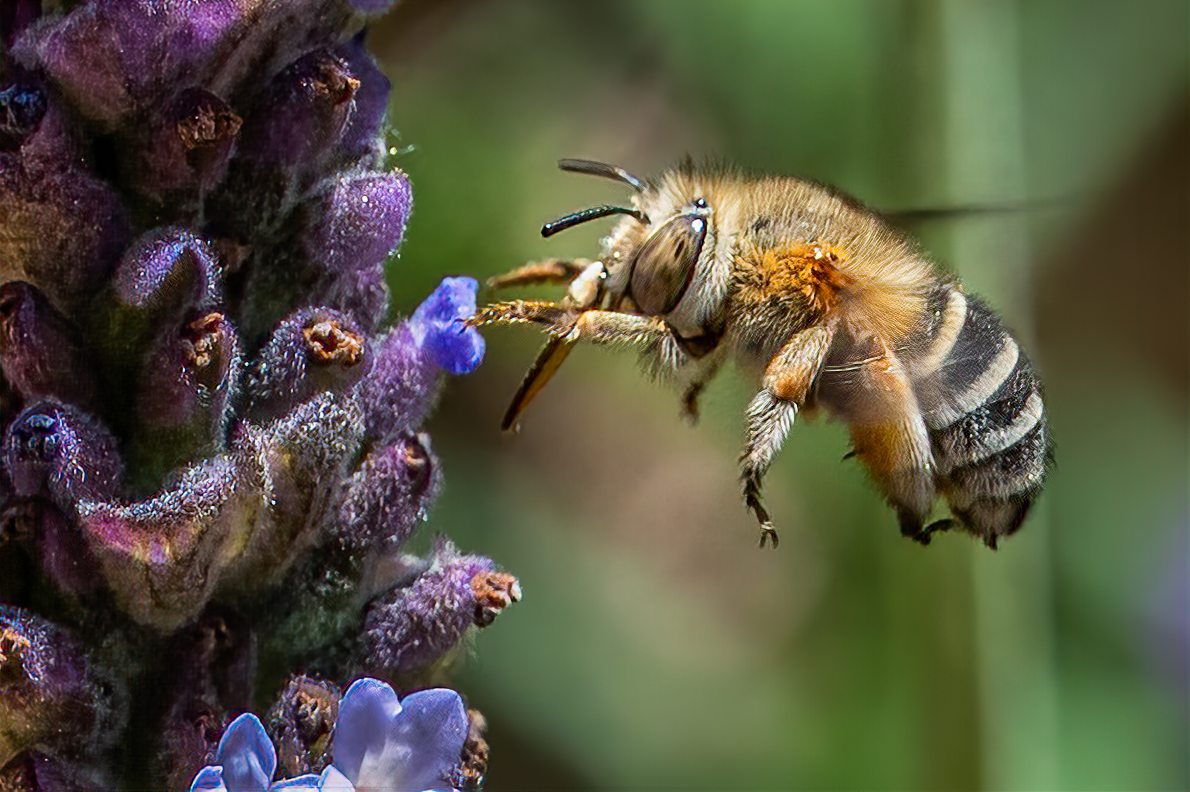
We are committed to supporting the protection, conservation and restoration of biodiversity and critical ecosystems in areas where we operate. In Côte d’Ivoire, a partnership with ApiFusion resulted in a pilot project at two rural tower sites to promote sustainable beekeeping and community empowerment. Each site hosts five hives managed by local villagers, who are trained and equipped by ApiFusion, and includes the safe relocation of bee colonies from tower sites. This protects honey quality, contributes to the protection of biodiversity and supports local commercialization.
Tackling neglected tropical diseases
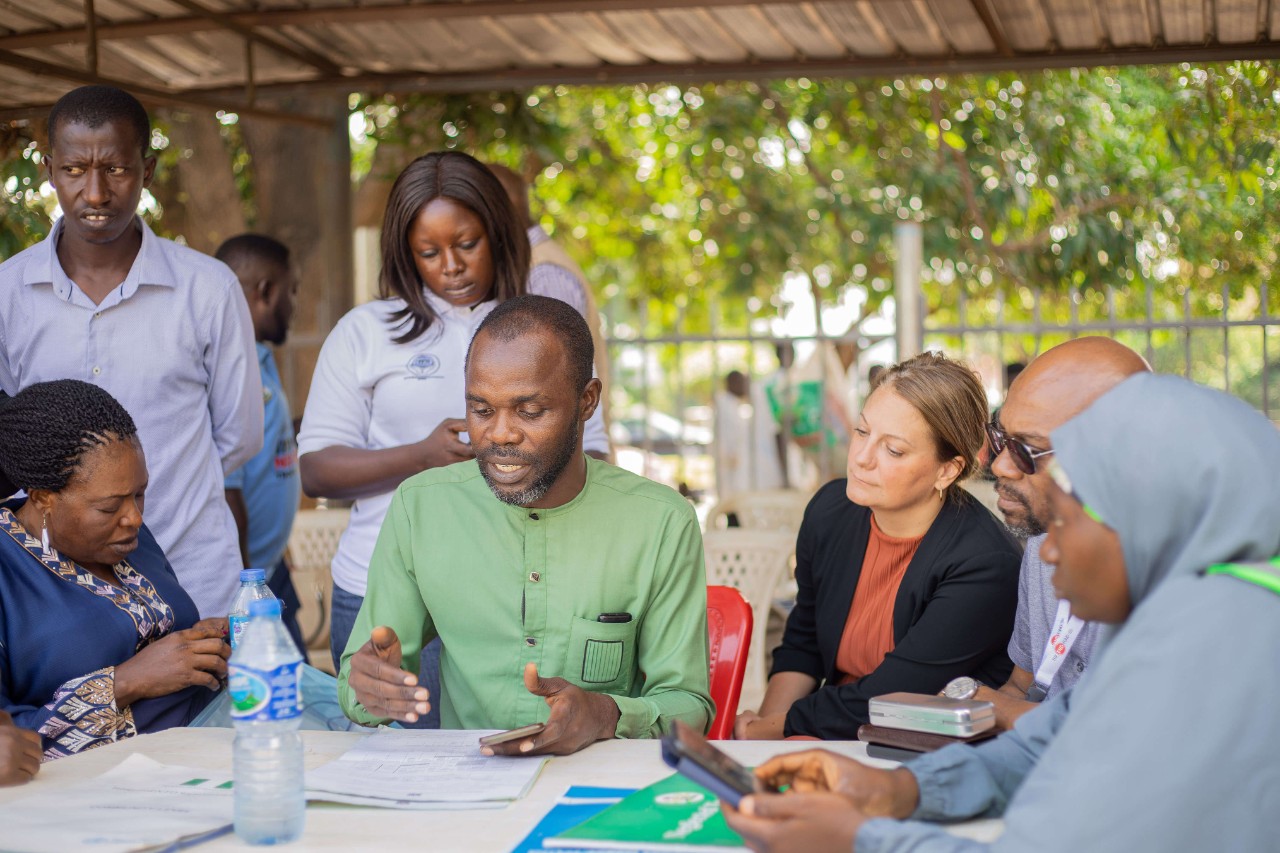
According to The END Fund, it is estimated that one out of every five people on the planet requires annual treatment to prevent neglected tropical diseases (NTDs). Under ‘Our people and communities’ pillar, a key focus for us is the provision of healthcare and we continue to work with The END Fund to address ongoing water, sanitation and hygiene (WASH) related NTDs in three states and the Federal Capital Territory in Nigeria. In 2025, our collaboration enabled the mass drug administration to more than 380,000 people, aiming to reduce the prevalence of schistosomiasis, soil-transmitted helminthiasis, lymphatic filariasis and onchocerciasis.
Since 2021, our contributions have helped treat over one million individuals through mass drug administration campaigns, trained over 1,000 health workers and delivered hydrocele surgeries for more than 340 patients.
Frontline Workers Initiative
The Frontline Workers Initiative is a philanthropic program designed to recognize and reward the outstanding contribution made by our frontline workers. By providing education opportunities to the children of our frontline workers, in the form of financial scholarships to top-tier universities, the program is working to help address socio-economic and education inequalities.
Launched in 2021, our Frontline Workers Initiative is currently supporting 64 students studying a broad range of subjects at local and international universities.